Why Bandsaw Blade Life Is Dropping in Many Shops, and How to Fix It
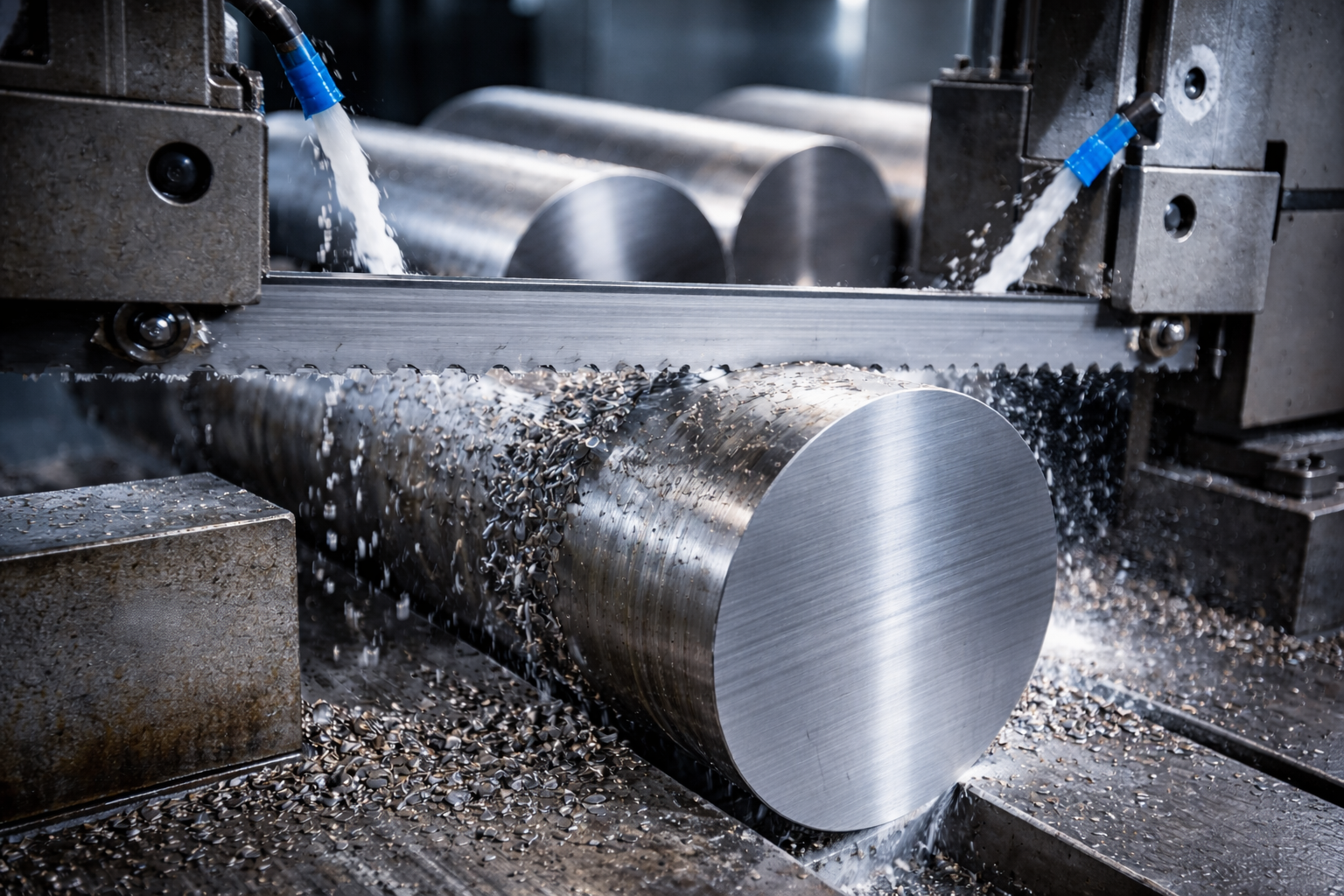
Across North America, manufacturing and metal-cutting shops are quietly dealing with the same issue, bandsaw blade life is dropping. Blades that once delivered consistent performance are now wearing out faster, cutting less accurately, and requiring more frequent changes. While it is easy to blame the blade itself, the real causes are usually found deeper in the cutting process.
As production demands increase and materials become more challenging to cut, the margin for error on the saw continues to shrink. Shops that fail to adapt are seeing higher operating costs, more downtime, and reduced throughput. Those that take a more strategic approach to bandsaw blade selection and setup are maintaining performance and gaining a competitive advantage.
This article explains why blade life is declining, how to correct the most common problems, and why switching to WIKUS saw blades is one of the most effective ways to restore cutting efficiency and control total cost per cut.
The True Cost of Short Bandsaw Blade Life
Blade life is often viewed as a consumable expense, but in reality it affects nearly every aspect of shop performance. When metal cutting bandsaw blades fail prematurely, the cost extends far beyond the blade itself.
Frequent blade changes interrupt production flow, increase labor costs, and reduce available machine time. Inconsistent cuts lead to rework or scrap, which wastes both material and manpower. Over time, these hidden costs quietly erode profitability.
Shops that track blade performance closely often discover that improving blade life by even a small percentage can produce meaningful savings. This is why bandsaw blade life should be evaluated as a key performance metric, not just a tooling expense.
Why Blade Life Is Declining in Modern Metal Cutting
Manufacturing environments have changed significantly in recent years. Materials are harder, tolerances are tighter, and production schedules are less forgiving. These shifts place increased demands on cutting tools.
One of the primary reasons blade life is declining is the growing use of advanced alloys and higher-strength steels. These materials generate more heat and stress at the tooth edge, accelerating wear if the blade is not specifically designed for the application.
Another common factor is the continued use of a single blade type across multiple materials. While this approach may simplify inventory, it often compromises performance. Tooth geometry, pitch, and blade construction must align with the material being cut. Without that alignment, blades wear faster and cut less accurately.
Improper blade break-in also plays a major role. Many blades fail early because they were never given the opportunity to seat correctly during initial use. This leads to micro-chipping along the tooth edge, which accelerates wear and increases the risk of tooth stripping.
Speed and feed mismatches further contribute to the problem. Running too aggressively creates excessive heat, while running too conservatively causes tooth rubbing. Both conditions shorten blade life and reduce cut quality.
Finally, machine condition cannot be ignored. Misaligned guides, improper blade tension, and poor coolant quality all undermine even the best blade designs.
Warning Signs Your Bandsaw Blade Is Wearing Out Too Quickly
Premature blade failure rarely happens without warning. Shops that pay attention to early indicators can correct issues before productivity suffers.
Common warning signs include crooked or wandering cuts, excessive cutting noise, visible tooth wear after a limited number of cuts, and burn marks on the material. When these symptoms appear consistently, they indicate a process issue rather than normal wear.
Ignoring these signs often leads to catastrophic blade failure, unexpected downtime, and damaged workpieces. Addressing them early is essential for maintaining cutting efficiency.
How to Extend Bandsaw Blade Life the Right Way
Improving blade life does not require new machines or major capital investment. It requires a disciplined approach to blade selection, setup, and operation.
The foundation of longer blade life is matching the blade to the material. Material type, hardness, cross-section, and cutting method all influence blade performance. WIKUS bandsaw blades are engineered for specific cutting challenges, allowing shops to select the right solution rather than relying on compromise blades.
Tooth pitch selection is equally important. The goal is consistent chip formation with proper load distribution across the teeth. Incorrect pitch increases vibration and accelerates wear, especially when cutting bundled materials or thin-wall profiles.
Blade break-in is another critical step that is often overlooked. A controlled break-in process slightly rounds the tooth edges, preventing micro-fractures and establishing a strong cutting edge for the remainder of the blade’s life.
Speed and feed rates must be balanced carefully. Excessive speed increases heat, while insufficient feed leads to rubbing instead of cutting. Manufacturers that rely on data-driven recommendations consistently achieve better results than those using trial and error.
Finally, routine saw maintenance supports blade longevity. Proper guide alignment, correct blade tension, clean coolant, and effective chip removal all contribute to stable cutting conditions.
One Common Mistake That Shortens Blade Life
Below is the only bulleted list included in this article, highlighting the single most damaging habit seen in metal-cutting shops.
-
Using the same bandsaw blade for every material and application, which leads to compromised tooth engagement, accelerated wear, inconsistent cuts, and higher overall cutting costs
Eliminating this one practice often produces immediate improvements in blade life and cut quality.
Why Blade Quality Matters More Than Ever
As cutting demands increase, blade quality has a greater impact on overall performance. Lower-cost blades may reduce upfront spending, but they often introduce variability into the cutting process.
Inconsistent tooth geometry, weaker backing materials, and less precise manufacturing tolerances all contribute to shorter blade life and unpredictable results. These issues increase downtime and reduce confidence on the shop floor.
WIKUS saw blades are designed to deliver consistency from the first cut to the last. Advanced metallurgy, precision-ground teeth, and controlled manufacturing processes ensure reliable performance across a wide range of materials and cutting conditions.
This consistency allows shops to standardize processes, reduce troubleshooting, and focus on production rather than blade problems.
Total Cost Per Cut, The Metric That Actually Matters
Blade price alone does not determine value. The true measure of performance is total cost per cut, which accounts for blade life, downtime, labor, and scrap.
| Blade Type | Average Purchase Cost | Typical Cuts Per Blade | True Cost Per Cut |
|---|---|---|---|
| Economy blade | Lower | Fewer | Higher |
| Premium blade | Higher | More | Lower |
Shops that evaluate blades using this metric consistently find that premium bandsaw blades reduce overall operating costs, even when the initial price is higher.
Why Shops Are Switching to WIKUS Saw Blades
Manufacturers who switch to WIKUS often report immediate and measurable improvements. Longer blade life reduces the frequency of blade changes, which increases available machine time. Straighter, more consistent cuts reduce rework and scrap. Predictable performance simplifies training and improves operator confidence.
These benefits compound over time, allowing shops to control costs while meeting increasingly demanding production schedules.
Frequently Asked Questions
How long should a bandsaw blade last?
Blade life varies based on material, setup, and blade quality. With proper selection and operating parameters, WIKUS bandsaw blades routinely outlast standard alternatives and deliver more cuts per blade.
Is a higher-priced blade really worth it?
When evaluated by cost per cut, premium blades typically reduce overall cutting costs through longer life, fewer blade changes, and reduced downtime.
Can blade life improve without replacing saws?
Yes. Correct blade selection, proper break-in, and optimized cutting parameters can dramatically improve performance without new equipment.
Why do blades fail early when cutting mild steel?
Common causes include incorrect tooth pitch, skipping break-in, excessive feed rate, or misaligned guides.
What makes WIKUS saw blades different?
WIKUS blades are engineered for precision, durability, and consistency, using advanced manufacturing processes that support demanding industrial applications.
Conclusion, Make Every Cut Count With WIKUS
In today’s manufacturing environment, there is no room for wasted time, wasted material, or wasted blade life. Accepting premature blade failure as normal is no longer an option for shops that want to stay competitive.
If your operation is experiencing short bandsaw blade life, inconsistent cuts, or rising cutting costs, the solution is not pushing harder or changing blades more often. The solution is investing in better cutting tools.
WIKUS saw blades deliver longer life, consistent performance, and lower total cost per cut across a wide range of materials and applications. They are engineered to support modern manufacturing demands and help shops cut smarter, not harder.
Upgrade your cutting performance today. Choose WIKUS saw blades and experience the difference precision makes. Contact WIKUS or your authorized distributor to select the right blade for your application and start reducing your cutting costs immediately.